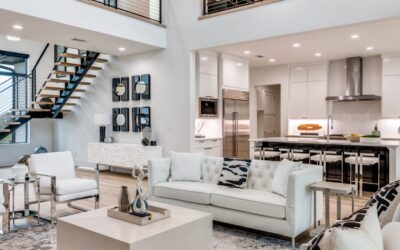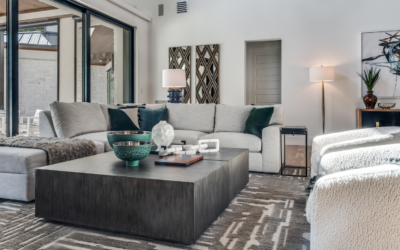
In high-end residential architecture true elegance is no longer measured by gilded accents or rare imported stone. Today, the true indicator of a sophisticated home is its fluid connection to the natural world. Homeowners are leaving behind closed off, insular environments for sanctuaries: spaces that feel like an extension of the landscape around them, offering a grounding sense of calm without giving up an ounce of luxury.
Weaving nature into the structural and decorative fabric of a home takes an intentional, cohesive design philosophy. It calls for a careful balance between raw, organic textures and impeccably tailored craftsmanship, and it goes well beyond setting a few houseplants on a windowsill. It takes real thought about light, shadow, raw materials, and the boundaries between inside and out. Get these elements right, and a home stops feeling like a plain enclosure and starts to feel like an ecosystem built for rest, clarity, and renewal.
Below are five design elements that bridge interior spaces and the natural world, turning a home into a genuine oasis of calm.
1. Bringing Nature Inside with Biophilic Design
At the heart of modern biophilic architecture is a deliberate blurring of thresholds. Creating a real connection to nature takes more than decorative greenery; it requires structural choices that pull the landscape indoors. One of the best ways to achieve this in a modern living room is through a sunken lounge or a custom conversation pit.
Dropping the seating area below the main floor plane changes your entire line of sight. That lower vantage point calls for low slung, organic furniture that echoes natural landscape contours rather than competing with them. Paired with deep, earthy tones like forest green velvet, mossy textiles, and raw stone bases, a sunken seating area feels enveloping and grounded.
Adding mature greenery on a large scale within these tiered architectural elements adds to the feeling of an indoor garden. Leafy palms, structural ferns, and cascading vines near seating clusters soften hard edges, improve indoor air quality, and add to the feeling of an indoor garden. Together they build an immersive setting where the line between architecture and native flora almost disappears, creating a communal space that encourages face to face conversation, while still drawing the eye to the natural horizon.
In the ancient past, humans picked out low, sheltered spots that still gave them an unobstructed view of their surroundings without exposing them to danger. Bringing that idea into the home brings an instant sense of safety and calm. Stepping down into a dedicated lounge is a move from the active, high traffic zones into a space meant for relaxation, a place to completely unwind surrounded by textures and views that evoke a quiet woodland glade.
2. Framing Changing Seasons with Ceiling Glass
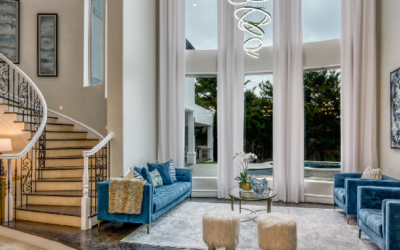
Massive floor-to-ceiling windows and multi-slide pocket doors become dynamic canvas walls, with the changing seasons and shifting light serving as the room’s real artwork. This idea works particularly well in luxury bedroom design.
Imagine waking up in a room where the foot of the bed opens out onto a sweeping forest canopy, a quiet water feature or manicured garden. Instead of being confined by walls, the bedroom opens up to the whole horizon, turning your morning routine into a meditation led by natural light.
To keep these large glass walls feeling warm and cozy, designers often pair them with high-end, motorized drapery. Semi-sheer linens or weighted bouclé fabrics let homeowners control privacy while softening morning sunlight into a gentle glow. The framing matters too: structural columns, window frames, and drapery hardware should stay slim and minimal, finished in deep bronze or matte black so that they don’t compete with the landscape outside.
And besides looking good, all that natural light has real physiological benefits. Light cues throughout the day regulate the circadian rhythm in our bodies, impacting sleep quality, mood, and energy levels throughout the day. Private quarters that have huge expanses of glass allow your body to wake up naturally with the sun, and wind down with the twilight. That link to the natural clock reduces harsh artificial lighting and enhances a sense of peace, making a bedroom a true wellness retreat.
3. Organic Textures and Premium Raw Materials
When it comes to timeless luxury decor, material choice matters enormously. Synthetic, overly processed, or high gloss finishes tend to break the illusion of an indoor outdoor connection.
A few premium materials worth considering:
- Unrefined travertine and quartzite: Large-format stone slabs in honed, split-face or leathered finishes work beautifully for fireplace surrounds, accent walls and floating countertops – bringing a tactile, mountainous feel indoors.
- Reclaimed white oak and walnut: Wide plank hardwood floors, wire-brushed timber wall paneling, or custom ceiling beams add warmth and structural character, anchoring rooms with real architectural detail.
- Organic textiles: Sheets of Belgian linens, raw silk, heavy cotton bouclé, and undyed wool rugs add comfort and subtle tactile variety that mimic the natural world.
These materials together create a layered sensory experience. For example, a smooth honed marble coffee table paired with a heavily textured hand woven wool rug creates an elegant contrast reminiscent of the varied surfaces found in nature. The object is to avoid uniformity: let the natural grain of the wood, the unpredictable veining of the stone, and the slubs in the woven linen shine as beautiful imperfections.
This kind of raw honesty in the materials changes the way we engage with our living spaces. A surface that feels good invites touch. It’s human nature to want to run your hand along a rough hewn stone wall or feel the grain of a solid white oak table.
4. Indoor Water Features and Sonic Architecture
Visual connections to nature matter, but sound plays just as important a role in creating a peaceful environment. Adding a bespoke indoor water feature brings an extra layer of sensory luxury to any high end home. Placed thoughtfully in an entry foyer, a central courtyard, or near a primary suite, they set a calming rhythm that shifts the mind toward relaxation the moment you step inside.
Adding soft, underwater LED lighting takes this even further. The moving water also provides dancing reflections to the walls and ceilings nearby in the evening, creating a constantly changing display. This provides a fluid, dynamic energy so the space never appears static or sterile.
Water also adds a sense of motion evoking the rhythm of rivers, springs, and streams bringing life to a minimalist or modern space. And it gives off a subtle humidity that can even help support healthier indoor microclimates, for your respiratory comfort and your indoor plants. It’s a complete sensory loop in which acoustic harmony directly contributes to physical wellbeing.
5. Seamless Indoor Outdoor Transitions and Multi Season Spaces
A truly nature inspired home means the outdoor lounge should feel just as curated and comfortable as the interior. Getting that transition right depends on continuity in flooring and materials. Carrying the same large format porcelain tile or natural bluestone from an indoor living area straight out onto the terrace visually extends the room, making the whole footprint feel larger.
Aligning indoor furniture with the outdoor layout creates a harmonious flow. A modern sofa inside can sit directly parallel to an outdoor kitchen and fireplace lounge, turning the entire wing into a versatile space for entertaining or quiet relaxation.
This kind of continuity changes how a luxury home functions all year round. In the warmer months, glass walls can retract fully, essentially turning the home into an open air pavilion where cool breezes move freely. In colder months, the visual connection stays intact, letting you take in a winter storm or autumn foliage from the comfort of a climate controlled interior. It keeps your relationship with the outdoors an active part of daily life, no matter the season.
Build Your Own Personal Nature Infused Sanctuary
It is no longer a passing fad to bring the outdoors inside. It’s a conscious lifestyle choice where wellness, clarity, and lasting elegance come first. Invest in architectural gestures such as panoramic glazing, select authentic, organic materials and design with nature in mind, and you can turn a property into a truly restorative escape.
Today’s luxury home is not so much an expression of wealth or a collection of expensive things. It is a sanctuary, and a very personal one, designed to shield the mind from the velocity of contemporary life, to bring the spirit back to the eternal rhythms of nature. Carefully and thoughtfully done, these design choices create a home that is less a constructed place and more a natural extension of the earth itself, a private realm of enduring comfort and serenity.